

Sep 7, 2026
The start of a new school year brings new learning standards and course objectives for students—and new opportunities to communicate with families around what to expect from their district’s grading policies.
Communicating about a standards-based grading (SBG) approach is particularly nuanced. SBG offers a richer picture of student learning and a stronger way to think about progress, evidence of learning, and teacher feedback. SBG also offers more data around standards-aligned assessments, rubric scores, progress over time, reassessment evidence, and more. The abundance of information can be a lot for parents to interpret.
Proactive outreach helps teachers and staff develop positive relationships with families from the start—rather than waiting until a problem emerges, then trying to establish rapport while simultaneously explaining grading policies and troubleshooting why a child isn’t meeting learning goals.
Decades of research on the power of meaningful family engagement shows the benefits for students’ attendance, homework completion, class participation, and course completion. The word “meaningful” is key. Sending out general schoolwide information is simple, but consistently communicating about standards-based grading policies and each individual child’s progress toward mastery in both academic and nonacademic skills is a bigger lift.
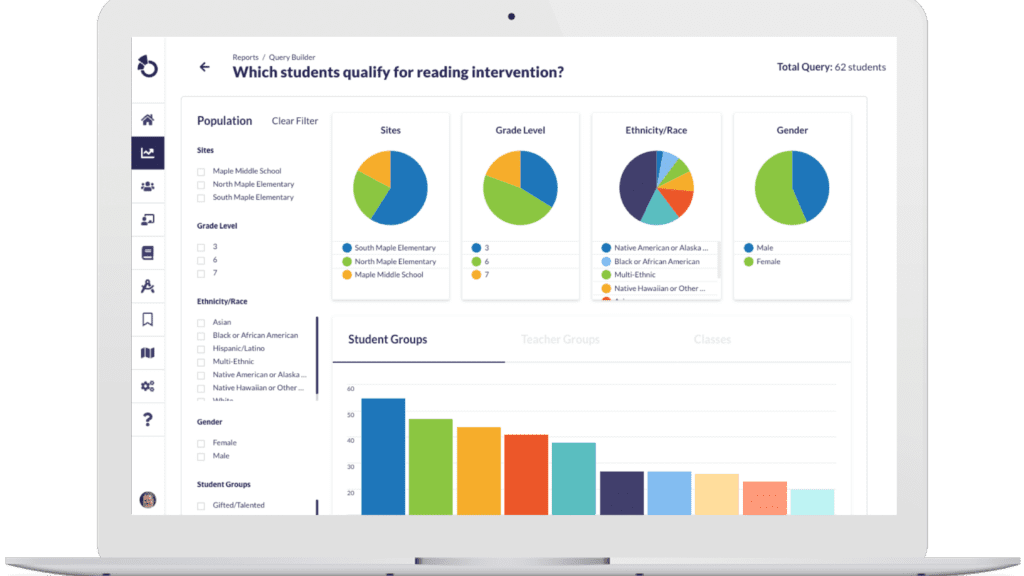
Districts that use standards-based grading can leverage Otus’ built-in AI to connect academic performance, broader evidence, and trends over time to help spot patterns, differentiate instruction, and close the feedback loop with families around all of the above. Because Otus’ comprehensive platform compiles a wealth of data in one place, the AI-powered assistant has the information needed for a holistic overview and data-driven recommendations.
To be clear: Teachers, not AI tools, decide whether students have achieved mastery. But AI can help uncover the broader arc of growth and stimulate teachers’ insights about thoughtful responses to that growth trajectory.
Early opportunities to connect with families
 Under traditional grading systems, families often do not expect grades until several weeks into a new school year. And they usually do not expect an explanation of grading policies at all.
- The district’s SBG approach to assessing and tracking progress toward learning standards.
- How grading practices have been adapted to make them fairer and clearer (for instance, letting families know that all teachers across a grade level or subject use consistent rubrics that are scored the same way).
- What to expect in terms of future messages from teachers about each student’s progress.
- Day-to-day insights so families feel informed and connected to classroom learning.
- The benefits of customized report cards offering a clear snapshot of each child’s mastery of priority learning standards.
How one district built a shared language
Educators have a common way of talking about student progress. For instance, any teacher would know the formative is relevant to the summative.
At Wilmot Union High School in Wisconsin, former Associate Principal of Curriculum and Instruction Don Norwick recognized clear explanations and shared language would be invaluable for families and students. The district created ESIC tables to anchor communications. These documents are built on “Essential Standards + I Can Statements,” with student-friendly wording for the common rubrics teachers use to assess learning.
Now Wilmot’s students can see how assignments and practice exercises lead to mastery, even if they are not being graded on them, ending the cycle of doing work for a grade rather than doing work to achieve a learning goal.
Teachers noticed students picked up on “how to do school” under the standards-based grading system within a few months because they understood the “why” of formative work. Parents received reports of students’ growth drafted using shared language to put them on equal footing with teachers.
Teachers at Wilmot say their ability to monitor students’ growth and progress—and easily share it with parents and other school staff—has improved their own performance too. “I have teachers that have been teaching 10, 20, almost 30 years, and they're actually identifying this as one of their more valuable years,” Norwick said. “They are saying, 'I feel like I'm actually teaching students, gauging their learning, and seeing those growth points.’”
Added confidence for educators and families
 As beneficial as digital communications with families are, in-the-moment conversations with families are still invaluable for building relationships with educators.
For teachers who are juggling several different platforms and are pressed for time because they are managing gradebook entries manually, responding authoritatively to an impromptu parent query about their student’s progress or a particular instructional decision can be complicated. A comprehensive data platform with AI-powered assistance can add a layer of empowerment for busy teachers.
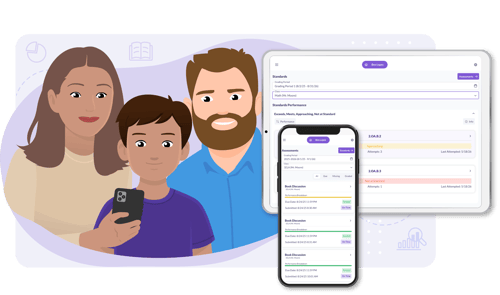
With Otus, teachers have student work, observations, and progress reports all in one place, making it easier to share immediately or to follow up with families. Families can also stay abreast of information in real time through the platform, encouraging them to stay actively involved and provide support at home for what is happening in the classroom.
Related Resources
Request a demo!
See exactly how Otus can help your school accelerate student growth and improve student outcomes – all while saving educators time.