

Sep 30, 2026
It’s easy for schools to say all the right things about equity. They can even name it as a priority and write it into strategic plans. But eventually, every district has to confront the same question: Do our systems support that vision in practice?
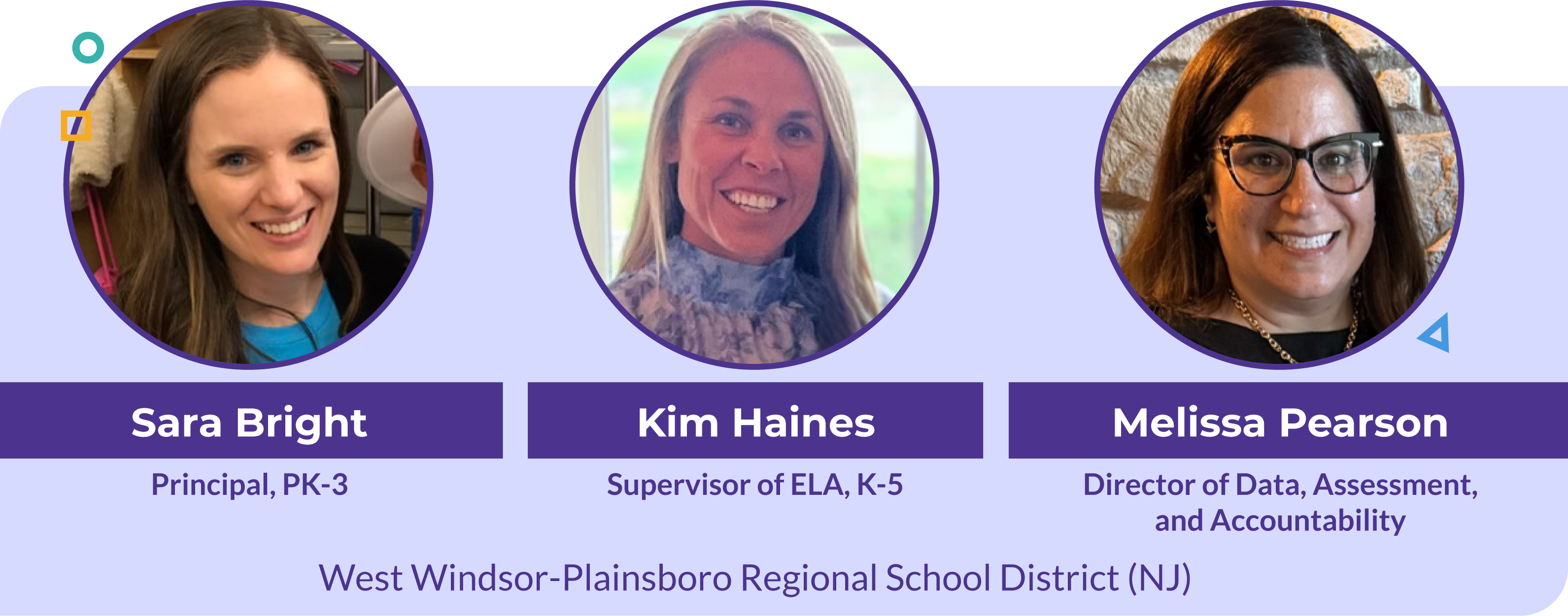
That question was front and center at a TECHSPO ‘26 session led by Dr. Melissa Pearson, Director of Data, Assessment, and Accountability, Kim Haines, Supervisor of Language Arts/Literacy (K–5), and Sara Bright, Principal (PK–3), from West Windsor-Plainsboro Regional School District.
Their presentation, Equity in Action: Building Systems to See Every Student, gave attendees an honest look at what it takes to move from aspirational goals to day-to-day structures that help educators respond with clarity.
Their journey to actionable equity ultimately came down to one major realization: If our district wants every learner to be seen and supported, the system around that work has to make that possible.
A district vision with real weight behind it
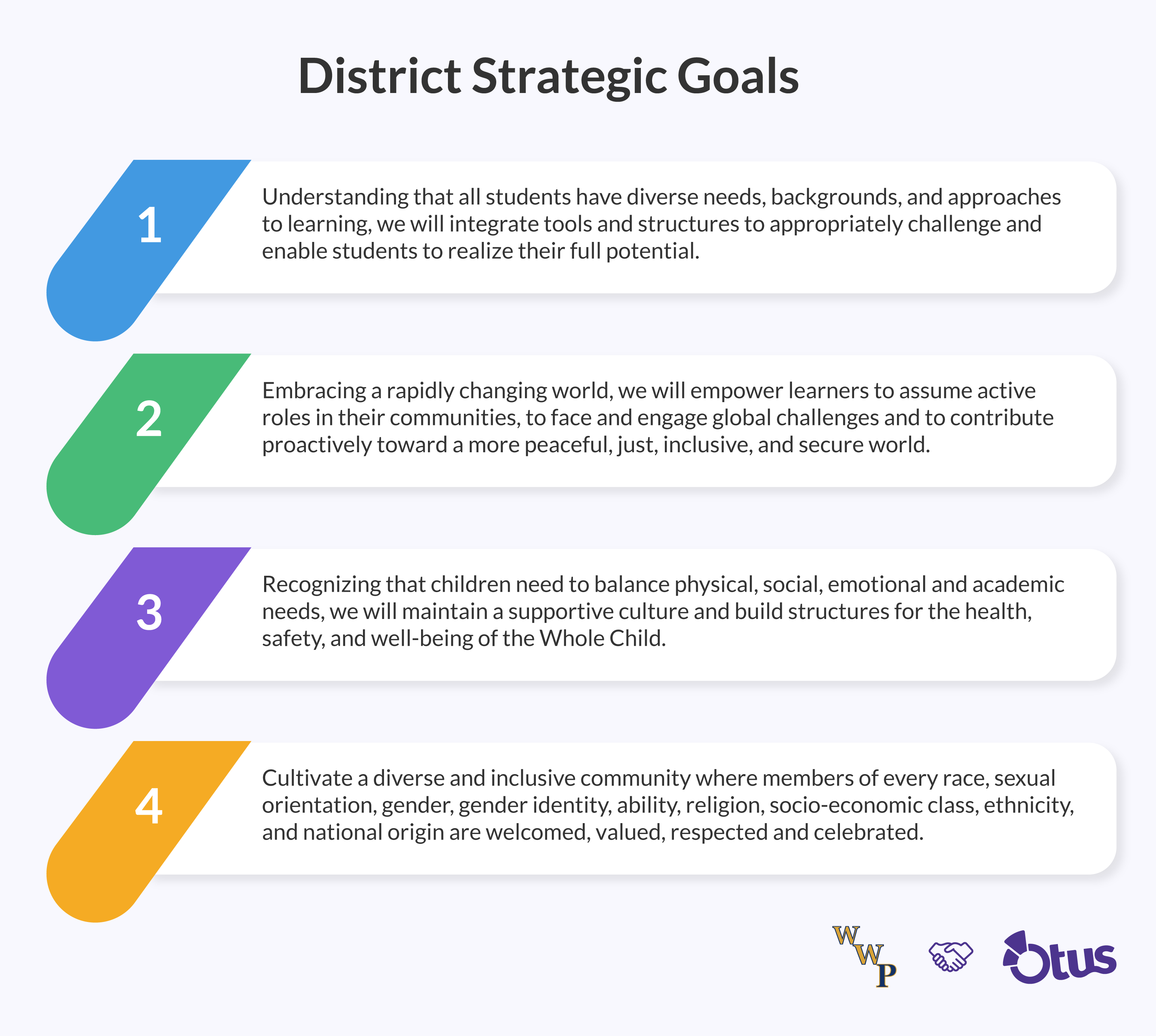
West Windsor-Plainsboro’s opened the conversation with the big picture: a set of district goals centered on equity, inclusion, whole-child well-being, and helping students realize their full potential. Those priorities show up not just in language but in the structures taking shape around students.
The team’s core belief is that every learner deserves timely access to effective instruction. That idea shaped everything that followed. If equity is the true goal, then schools need systems strong enough to notice student needs early and respond thoroughly, and do so consistently across classrooms and buildings.
That belief has guided the district’s MTSS journey. One toward stronger collaboration and more effective intervention for all students. One about building a foundation that allows meaningful work to last.
When the system starts creating friction
As they reflected on their journey, the team was candid about the friction points that made this work harder than it needed to be.
They struggled with inconsistent screening practices and the difficulty of prioritizing students quickly and confidently. At the same time, PLC time was being pulled toward data prep rather than the deeper instructional conversations teams needed to have. Not surprisingly, that friction tends to bog teams down. Conversations take longer to get to where they need to go, and support becomes harder to coordinate in the moment.
What West Windsor-Plainsboro surfaced so clearly is that challenges like these are often rooted in the system. The structures around their team were not making it easier to respond and follow through with confidence.
The question that sharpened the district’s focus
As the work began to take shape, two early questions helped anchor the district’s thinking: How do you evaluate Tier 1 instruction across classrooms? And how can you confidently and quickly identify students who need Tier 2 or Tier 3 support?
Those questions carry real weight because they reach into so many parts of school life. They touch on classroom instruction and intervention planning, while also shaping how that work is shared across teams. They also reveal something important about the district’s mindset. West Windsor-Plainsboro was working toward a system that could turn information into something more consistent and more supportive of action.
Once a district begins looking at how the system itself is functioning, it becomes easier to spot where decisions slow down and where too much interpretation is being left to individual teams. In many ways, that’s where stronger support begins.
Building stronger structures around screening and support
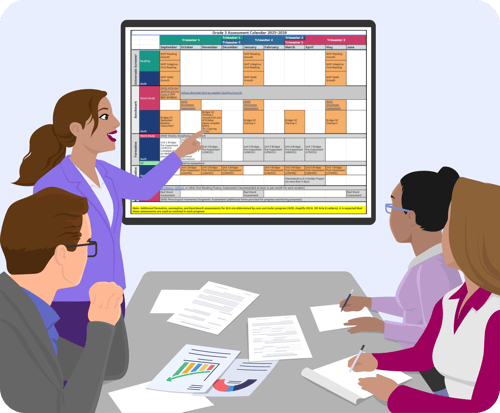 To create more consistency, the district centered its work around shared screening tools and clearer routines. The team pointed to NWEA MAP Growth, MAP Reading Fluency, and Acadiance Reading and Math as key parts of the foundation, along with an assessment calendar and matrices designed to help teams interpret data with more consistency.
While screening tools can generate a great deal of information, the information on its own rarely brings complete clarity. What begins to change the experience for educators is the structure around it. A calendar creates rhythm across the year. A matrix offers a more consistent way to interpret what the data is showing.
When those supports are in place, the work feels less fragmented. Teams don’t have to start from scratch each time they meet. They can spend more of their energy on understanding student needs and less on sorting through pieces to the puzzle.
Ultimately, this type of system-building creates the conditions for better decisions and steadier support.
The work that comes after the data is gathered
Even with stronger screening structures in place, some important questions were still lingering for the district: How do we communicate across tiers? How do we plan for and articulate student support? How do we monitor implementation?
Those questions add an important layer to the story of West Windsor-Plainsboro. While identifying need is crucial to success, schools also need a way to carry that understanding forward so support can be understood across teams and sustained over time.
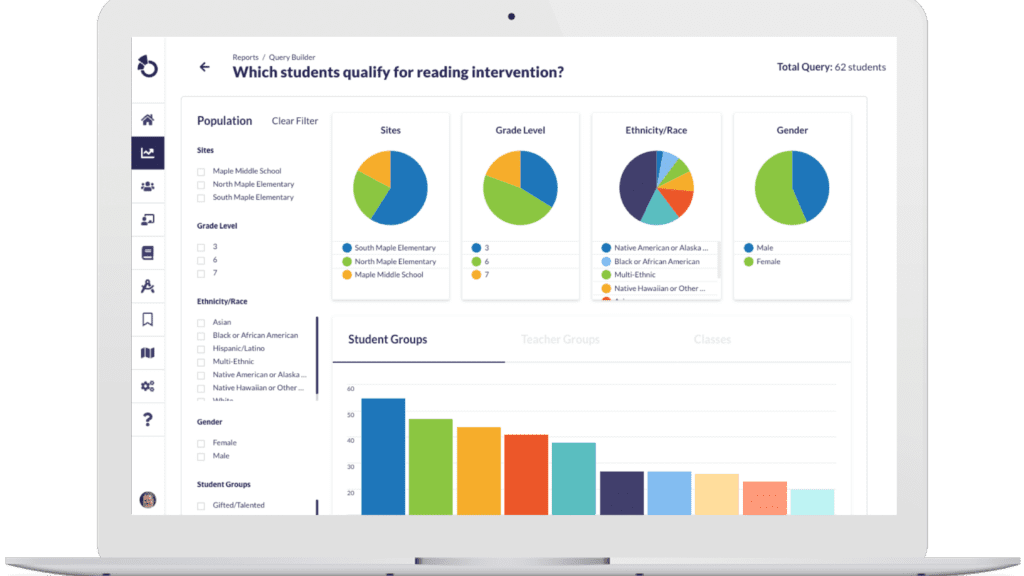
That’s where integration and data visualization really came into play. The district emphasized the value of making student information easier to see and acton. When patterns come into view more quickly, conversations become more productive. When support plans are easier to follow, implementation becomes steadier.
For educators, that can be a huge relief. In many districts, so much energy goes into gathering the pieces that very little is left for the work that follows. West Windsor-Plainsboro has been building toward something more coherent, where educators can spend less time sorting and more time responding.
A protocol that keeps the conversation centered on students
West Windsor-Plainsboro also uses a structured protocol for student support conversations. The process includes time to describe the student and share key data, ask clarifying questions, review intervention details, examine progress, and even create a SMART goal.
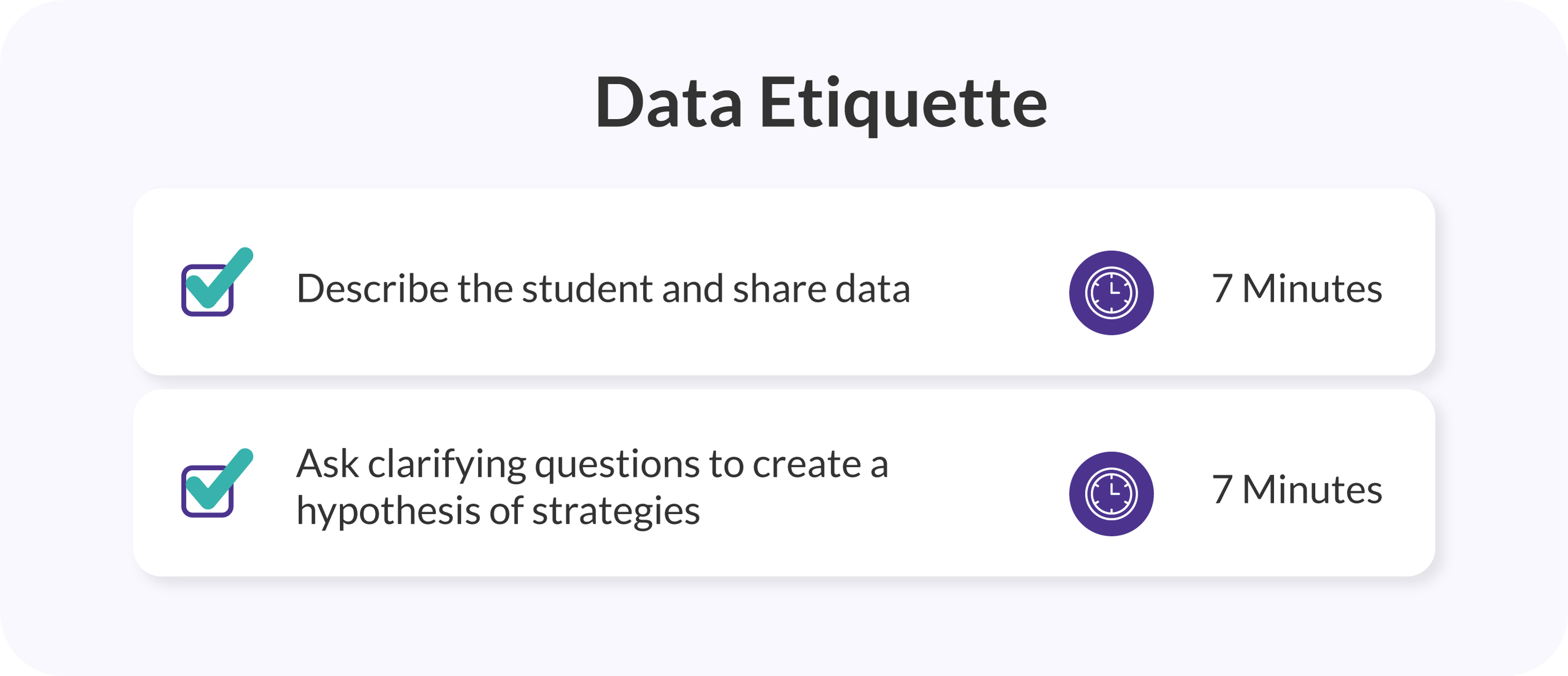
What makes a structure like this so valuable is the way it protects the purpose of the conversation. A thoughtful protocol creates a rhythm that helps educators stay focused and leave with greater clarity about what comes next. It also supports stronger data etiquette, which may sound small but it shapes a great deal.
What other districts can learn from West Windsor-Plainsboro
West Windsor-Plainsboro’s story is a perfect example of what equity work can look like when it’s supported by clear systems and shared routines. Better screening practices and more connected communication help create the conditions for earlier, more informed support.
What makes their journey so compelling is how grounded it feels. There’s no sense of rushing toward a polished finish line. Instead, there’s a steady commitment to reducing friction and giving educators the structures they need to respond well.
The work that West Windsor-Plainsboro did can change the feel of a district. Collaboration and intervention become more focused and intentional. The path from information to action becomes easier to follow.
For districts trying to strengthen their own MTSS, that may be the most meaningful takeaway of all. Seeing every student is a beautiful goal. Building the structures that make that possible is where the work begins to become real.
Request a demo!
See exactly how Otus can help your school accelerate student growth and improve student outcomes – all while saving educators time.