

Sep 30, 2026
A Smarter Path to Standards-Based Success: How Superior Public Schools United Curriculum and Data
By: Guest
 Originally published on eSchool Media
Creating consistency between classrooms and ensuring curriculum alignment school-wide can be challenging, even in the smallest of districts. Every educator teaches – and grades – differently based on their experience and preferences, and too often, they’re forced into a solution that no longer respects their autonomy or acknowledges their strengths.
When Superior Public Schools (SPS), a district of 450 students in rural Nebraska, defined standards-referenced curriculum as a priority of our district’s continuous improvement plan, bringing teachers in as partners on the transition was essential to our success. Through their support, strategic relationships with outside partners, and meaningful data and reporting, the pathway from curriculum design to classroom action was a smooth one for teachers, school leaders, and students alike.
Facing the challenge of a new curriculum
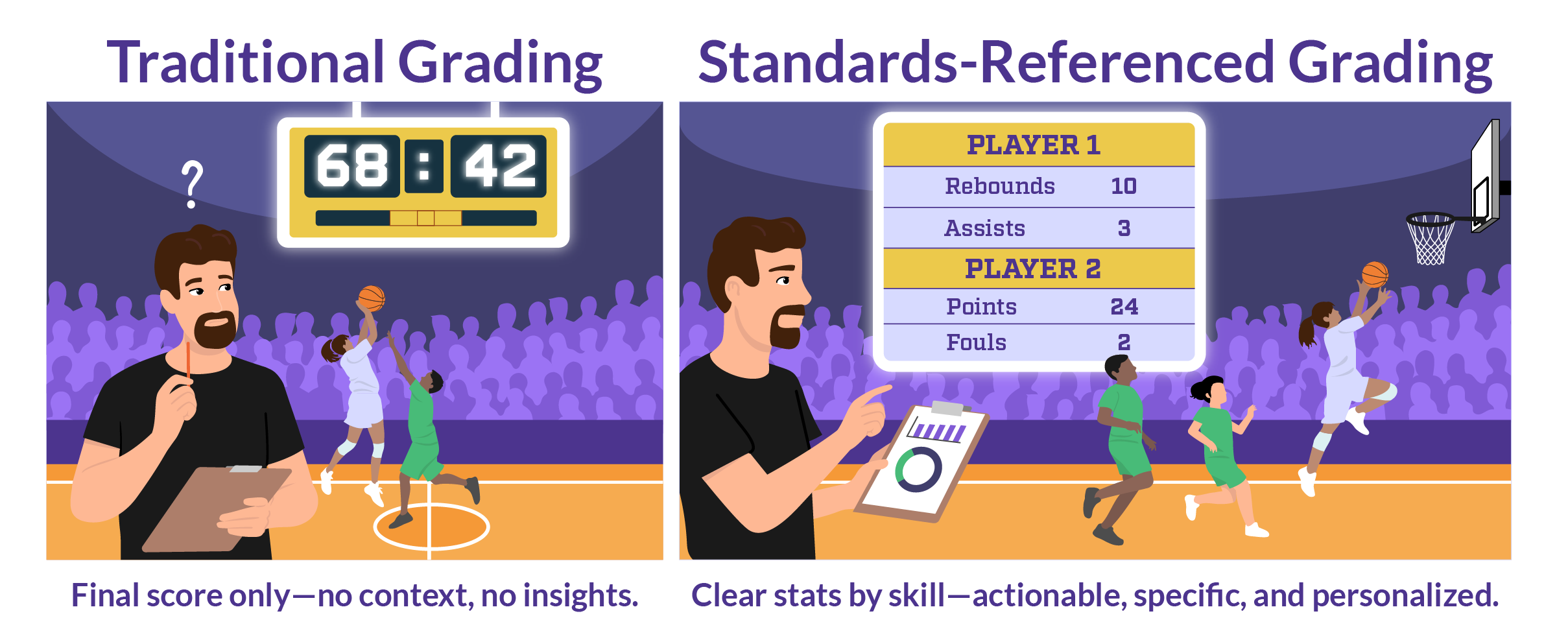
For years, teachers in SPS were working autonomously in the classroom. Without a district-wide curriculum in place, they used textbooks to guide their instruction and designed lesson plans around what they valued as important. In addition, grading was performed on a normative curve that compared a student’s performance against the performance of their peers rather than in relation to a mastery of content.
As other educators have discovered, the traditional approach to teaching may be effective for some students, but is inequitable overall when preparing all students for their next step, whether moving on to more complex material or preparing for the grade ahead. Kids were falling through the cracks, and existing opportunity gaps only began to grow.
SPS set out to help our students by instituting standards-referenced instruction at both the elementary and secondary levels, allowing us to better identify each child’s progress toward set learning standards and deliver immediate feedback and intervention services to keep them on the path toward success.
Take it slow and start with collaboration
From day one, school leaders understood the transition to the new curriculum needed to be intentional and collaborative.
Rather than demand immediate buy-in from teachers, administrators and the curriculum team dedicated the time to help them understand the value of a new learning process. Together, we took a deep dive into traditional education practices, identifying which set students up for success and which actually detoured their progress. Recognizing that everyone – teachers included – learn in different ways, administrators also provided educators with a wide range of resources, such as book studies, podcasts, and articles, to help them grow professionally.
In addition, SPS partnered with the Curriculum Leadership Institute (CLI) to align curriculum, instruction, and assessment practices across all content areas, schools, and grade levels. On-site CLI coaches worked directly with teachers to interpret standards and incorporate their unique teaching styles into new instructional strategies, helping to ensure the new curriculum translated seamlessly into daily classroom practice.
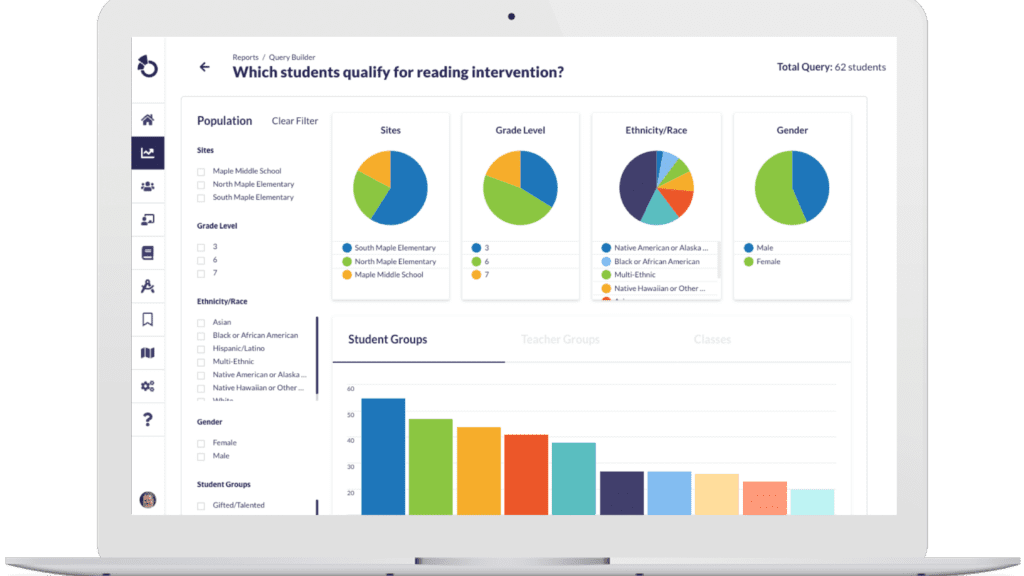
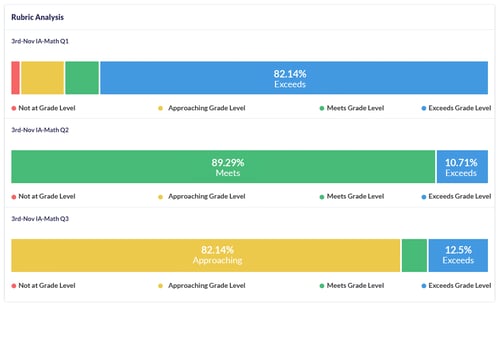 To bring standards-referenced curriculum to life with meaningful insights and reporting, SPS integrated the Otus platform into our Student Information System. By collecting and analyzing data in a concise manner, teachers could measure student performance against specific learning targets, determining if content needed to be re-taught to the whole class or if specific students required one-on-one guidance.
With the support of our teachers, SPS was able to launch the new curriculum and assessment writing process district-wide, reaching students in pre-K through 12th grade. However, standards-reference grading was a slower process, starting with one subject area at a time at the elementary level. Teachers who were initially uncomfortable with the new grading system were able to see the benefits firsthand, allowing them to ease into the transition rather than jump in headfirst.
Empowering educators, inspiring students
By uniting curriculum and data, SPS has set a stronger foundation of success for every student. Progress is no longer measured by compliance but by a true mastery of classroom concepts.
Teachers have become intentional with their lesson plans, ensuring that classroom content is directly linked to the curriculum. The framework also gives them actionable insights to better identify the skills students have mastered and the content areas where they need extra support. Teachers can adjust instruction as needed, better communicate with parents on their students’ progress, and connect struggling students to intervention services.
Principals also look at student progress from a building level, identifying commonalities across multiple grades. For instance, if different grade levels struggle with geometry concepts, we can revisit the curriculum to see where improvements should be made. Conversely, we can better determine if SPS needs to increase the rigor in one grade to better prepare students for the next grade level.
While the road toward standards-referenced curriculum had its challenges, the destination was worth the journey for everyone at SPS. By the end of the 2024-2025 school year, 84 percent of K-5 students were at or above the 41st percentile in math, and 79 percent were at or above the 41st percentile in reading based on NWEA MAP results. In addition, teachers now have a complete picture of every student to track individual progress toward academic standards, and students receive the feedback, support, and insights that inspire them to become active participants in their learning.
Tricia Kuhlmann is the Curriculum Director, and Jodi Fierstein is the Elementary Principal and Director of Special Services at Superior Public Schools in Superior, NE.
Related Resources
Request a demo!
See exactly how Otus can help your school accelerate student growth and improve student outcomes – all while saving educators time.