

Aug 6, 2026
Walk into any public school in America, and you'll find a diverse group of learners — students who thrive on their own, students who need a little extra help, and students who require intensive, personalized support. Meeting the needs of every learner is one of the most complex challenges in public education.
Educators and school administrators are tasked with the important work of promoting student achievement, ensuring equal educational opportunities, and fostering educational excellence. Two systems sit at the heart of that work: Multi-Tiered System of Supports (MTSS) and Special Education. They're different — but they're built to work together to ensure every student gets what they need from school.
What is MTSS?
Multi-Tiered System of Supports (MTSS) is a framework that helps schools get the right support to the right students at the right time. At its core, MTSS is a way to organize resources, instruction, and interventions into three levels, or “tiers,” of support, so that all students are getting what they need to be successful in school: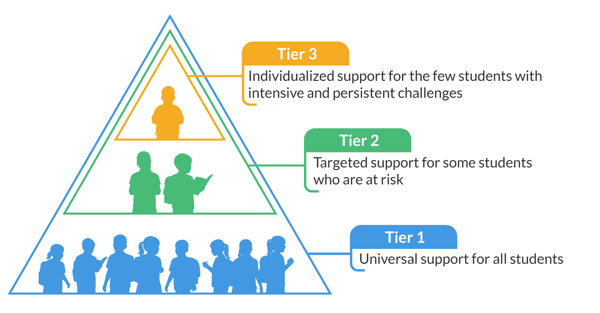
Tier 1: Support for every student, every day. Strong Tier 1 instruction should meet the needs of about 80-90% of students.
Tier 2: Extra help for students who need more. Small groups, targeted support, short-term. About 10-15% of students benefit from this level.
Tier 3: Intensive, individualized support for students with the greatest needs. Usually 1-5% of students.
In theory, each student’s needs should be addressed by one of the MTSS tiers. If a student isn't making progress even with Tier 3 support, that's often a signal they may need Special Education services.
What is Special Education?
Special Education is a federal program that protects students with disabilities and ensures they get what they need to learn.
When a student qualifies for special education, their school (with the help of parents, teachers, and specialists) builds a personalized plan called an IEP (Individualized Education Program). Think of it as a roadmap created specifically for that child, based on academic, behavioral, and cognitive data.
The IEP spells out exactly what the student needs — their current skill levels, their learning goals for the year, and what services they'll receive to help them meet those goals. That could look like: extra reading, writing, or math support, speech therapy, occupational therapy, or counseling. It also outlines any changes to how the student will be taught or tested. Only students with disabilities who need special education services can get IEPs, whereas MTSS is a general framework for all students.
One important thing to note: Special Education isn't a separate classroom. It's a set of services provided by the district, and most students with IEPs spend the majority of their day learning right alongside their classmates.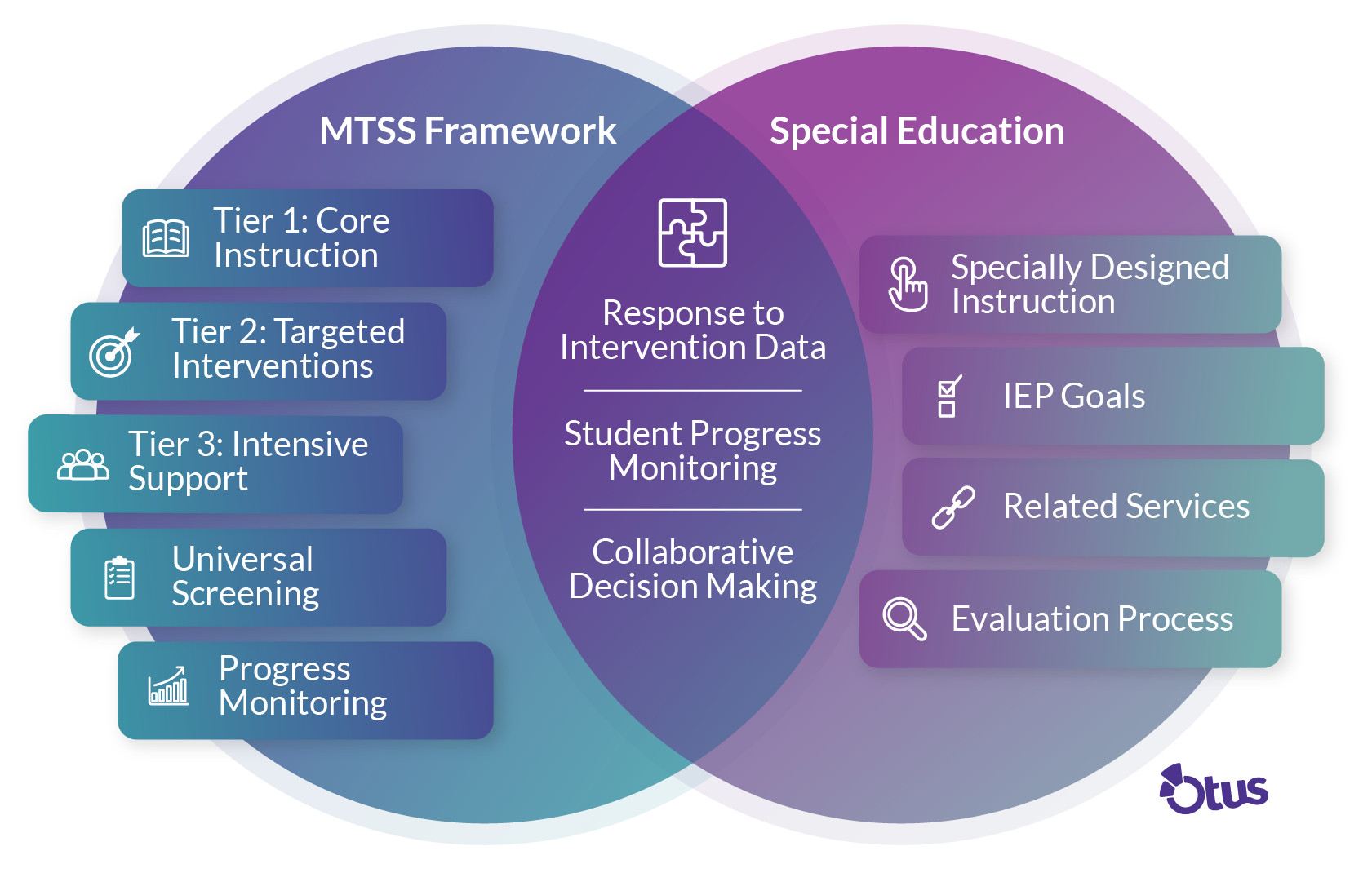
How MTSS and Special Education Work Together
Often, the question is asked: Is Tier 3 of MTSS the same as Special Education? The answer: No! While some students in Tier 3 qualify for special education, others simply need intensive, short-term support in specific academic areas before returning to Tiers 1 or 2.
Another common misconception is that MTSS and Special Education are two separate systems that don't talk to each other. They're not — and they shouldn't be.
Special Education Referrals & MTSS
Here's the key connection: MTSS data helps identify students who may need Special Education sooner. When a student doesn't respond to strong, consistent interventions at Tier 2 or Tier 3, that data becomes important evidence in determining whether they have a learning disability. Schools can use that response-to-intervention data as part of the Special Education evaluation process. By providing universal screening for all students and systematic progress monitoring for those receiving intervention, MTSS creates an ongoing, data-rich picture of student performance that often informs special education referrals.
Strong MTSS Programs Enhance Special Education Progress
And for students already identified as eligible for Special Education? MTSS still matters. Most students with disabilities spend much of their day in general education classrooms — which means strong Tier 1 instruction directly affects their success.
A student with an IEP can also receive Tier 2 or Tier 3 supports on top of their IEP services. The two are not mutually exclusive. A student might receive small-group reading intervention through MTSS while also receiving specially designed instruction from a special education teacher.
The Importance of Data in MTSS & Special Education Success
Schools seeing the greatest success with their students treat every student's data — academic, behavioral, social-emotional, and cognitive — as part of one picture, not separate files in separate offices. Otus simplifies this work for schools.
In Otus, educators can:
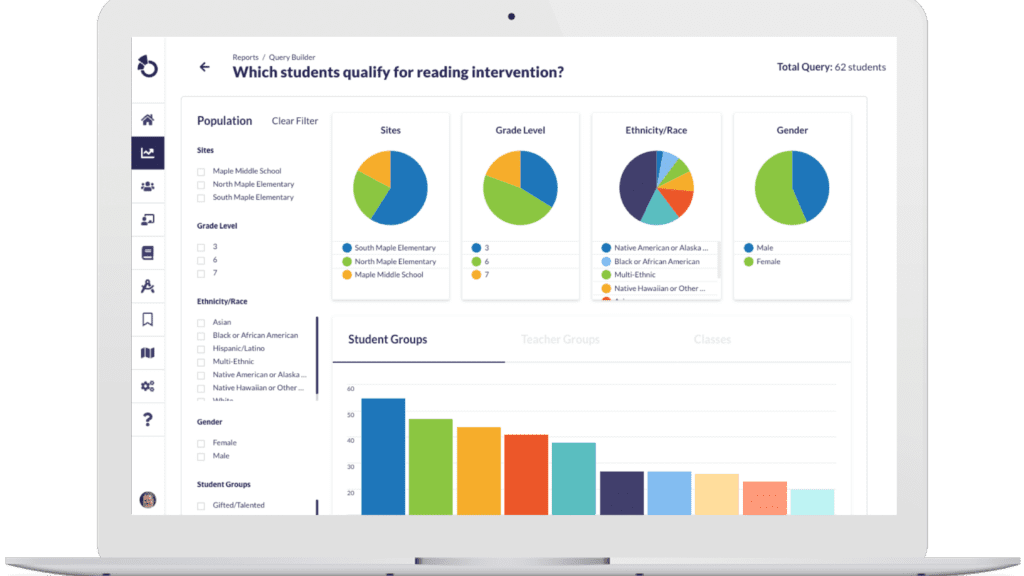
- Bring together data from reading screeners, classroom assessments, and progress monitoring in one place
- Use AI-powered insights to identify trends and early warning signs
- Track reading interventions across all MTSS tiers
- Streamline the Special Education referral process with MindPrint, the ESSA-Certified Universal Special Ed and Gifted Screener.
MTSS and Special Education: Moving Forward, Together
American public schools have never faced a more complex set of challenges — or a more diverse group of learners. The integration of MTSS and Special Education represents one of the most promising pathways forward: a system that provides universal support while honoring the unique needs of every student, including those with disabilities.
When these frameworks work together — grounded in data, driven by collaboration, and guided by a deep commitment to student success — the results speak for themselves. Students learn more. Achievement gaps close. Teachers feel supported. Families feel heard. And every child, regardless of ability, has a genuine opportunity to succeed.
Related Resources
Request a demo!
See exactly how Otus can help your school accelerate student growth and improve student outcomes – all while saving educators time.