

Oct 8, 2026
January often brings a reality check for PLCs.
Teams have data in hand, but priorities have shifted, momentum may have slowed, and it’s not always clear what deserves the most attention next.
In this recorded panel discussion, district and school leaders share how they intentionally reset their PLCs midyear, refocusing on purpose, clarifying expectations, and using data in ways that support teachers rather than overwhelm them. Rooted in real experiences, the conversation keeps things practical, focusing on how teams can collaborate effectively and keep student growth front and center as the year moves forward.
Watch to learn about:
- How to recognize when PLCs have drifted and what it takes to realign purpose, norms, and focus
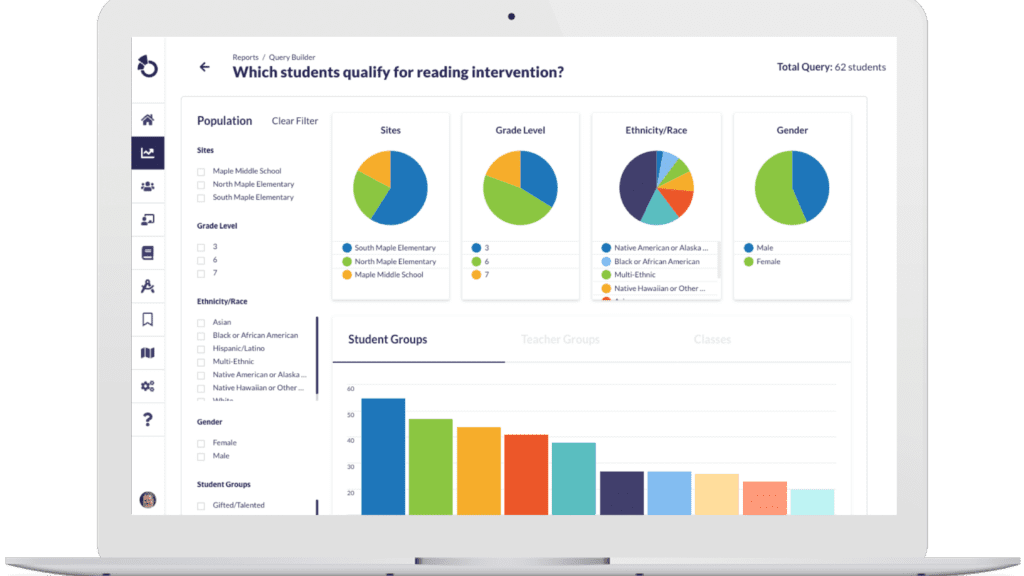
- Ways to use winter assessment data to guide instruction without adding stress or extra work for teachers
- How aligning PLC conversations with MTSS cycles helps teams respond more quickly and strengthen Tier 1 instruction
Three Key Takeaways
Protect the “tight” parts so the “loose” parts can actually work
In every PLC, there has to be at least one non-negotiable: protected time. Not “when we can fit it in,” but time that’s scheduled, consistent, and treated like instruction. Once the time is stable, teams can be flexible where it matters: adjusting groups, responding to misconceptions, and shifting supports based on what students are showing. It may sound simple, but leaders need to make their PLC's purpose visible and enforce it; what belongs in PLCs vs what gets parked for another meeting. When teams stop trying to solve everything in one sitting, they get sharper about what students need.
“Some of the non-negotiables are just protecting that time, making sure you're on time, you are ready to go with any data or information that you need to share about where you are in the curriculum, and then everybody is an active participant, so it has to be a total team effort.”
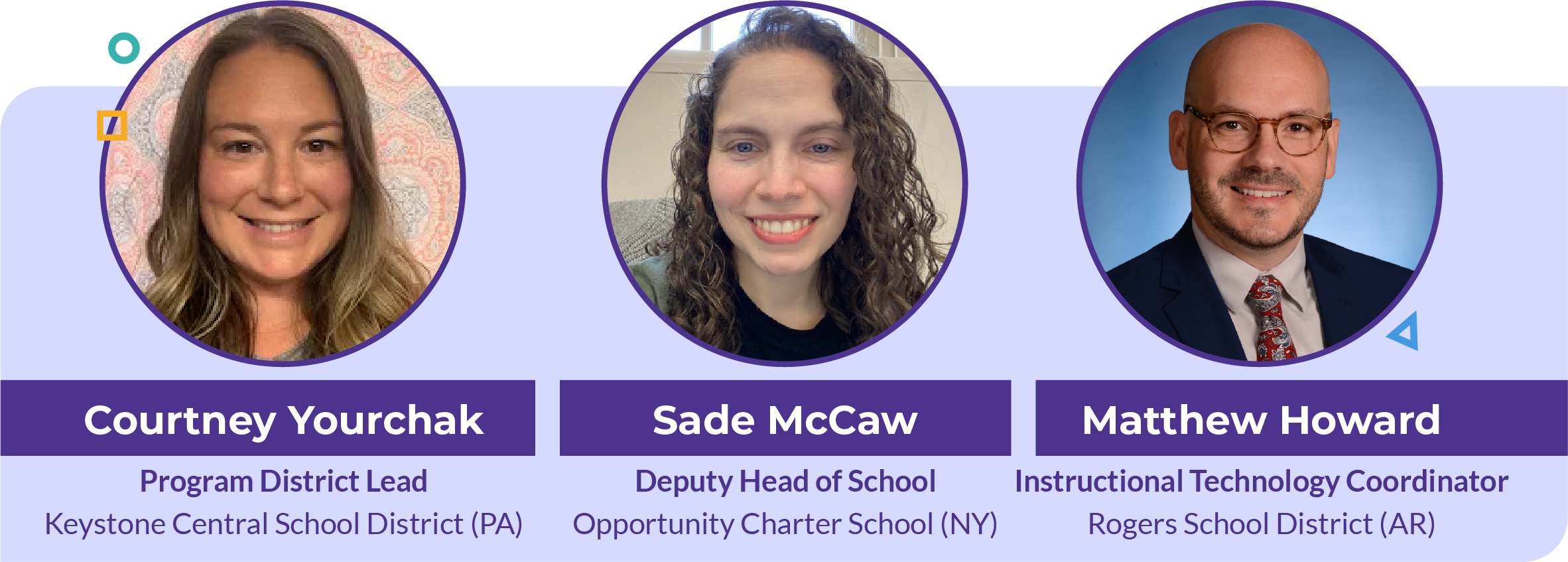
Courtney Yourchak
Program District Lead
,
Keystone Central School District
Use less data in PLCs—and make it the right data
If your PLC conversations are drowning, it’s usually not a teacher problem. It’s a data problem. Too many sources, too many spreadsheets, and not enough shared focus. The strongest teams narrow down to data sets such as common formative assessments and aligned evidence; the information that actually informs tomorrow’s instruction. These teams save the heavier analysis, such as benchmarks, interim trends, and cross-grade patterns, for scheduled deep dives. In other words, PLCs should be a workshop, not a museum of reports. Bring a small set of evidence, name the misconception, agree on the response, and leave with a plan.
“We encourage our teams to really focus on common formative assessments that are developed by the teams to look at our district quarterly expectations for students and tie to our unit planning. I think that you can oftentimes get into the weeds. We have lots of data points like our initial screening, our state interim assessments, our summative data points. But those summative data points are typically analyzed and are part of our deeper dives of quarterly data meetings, not necessarily the week to week.”
Matthew Howard
Instructional Technology Coordinator
,
Rogers School District
Make “differences across classrooms” safe to discuss and useful to act on
Mid-year data will expose variation. The key is what your team does next. But this only works when PLCs are built on trust, vulnerability, and a non-evaluative culture. A real “we, not me” mindset. When one class performs stronger on a standard, the move isn’t to side-eye, it’s to study the practice: scoring calibration, looking at the assessment first, examining student work, and identifying a strategy that’s producing clearer thinking. Peer visits offer a practical, low-drama way to learn fast, especially when framed as “come see a strategy in action” instead of “go watch the good teacher.”
“In the beginning, we really had to drive hard that it’s not my students in my classroom versus your students in your classroom. It started to become a little competitive. And so we had to reestablish that culture that this is for the benefit of the entire school. It took a number of years, but we are in that place where teachers are feeling comfortable to be vulnerable in those conversations. Because the learning only happens if our teachers are vulnerable and willing to have those conversations.”
Sade McCaw
Deputy Head of School
,
Opportunity Charter School
Related Resources
Request a demo!
See exactly how Otus can help your school accelerate student growth and improve student outcomes – all while saving educators time.