

Jun 1, 2026
Making Standards-Based Grading Sustainable: Leadership Moves That Keep Teams On Track
By: Kendell Hunter
The beginning of a new year is when standards-based grading is truly put to the test. Early momentum fades, real challenges surface, and teachers need clarity to keep moving forward. The strongest insights come from leaders who’ve built systems that make SBG sustainable.
In this session, school and district leaders shared the groundwork they laid, how they address mid-year roadblocks, and the long-term moves that keep SBG on track and sustainable to ease teacher workload strain.
Watch the full recording below:
Three Ways Leaders Can Make SBG Sustainable Today
Treat “February fatigue” as an opportunity for a systems check
When teachers start slipping back into averaging, participation points, or “Kleenex credit,” it’s a sign the system needs reinforcement. Fortunately, the fix is straightforward: re-anchor teams in a few shared grading principles, name what doesn’t belong in academic grades (behavior, compliance, extra credit), and set a clear expectation for fidelity. Pair that accountability with real support (coaching, PLC time, exemplars) so the response feels like “we’re tightening the process,” rather than “gotcha.”
“[If your team is losing steam midyear], you have to be boots on the ground. You've got to go into their classroom and start a conversation about what's going on. Be empathetic. It is heavy. It is hard. It is a boatload of work. You might think about where this teacher is in that. Is there some anger or frustration underneath there? So I would lean in and try to have a conversation with that person.”
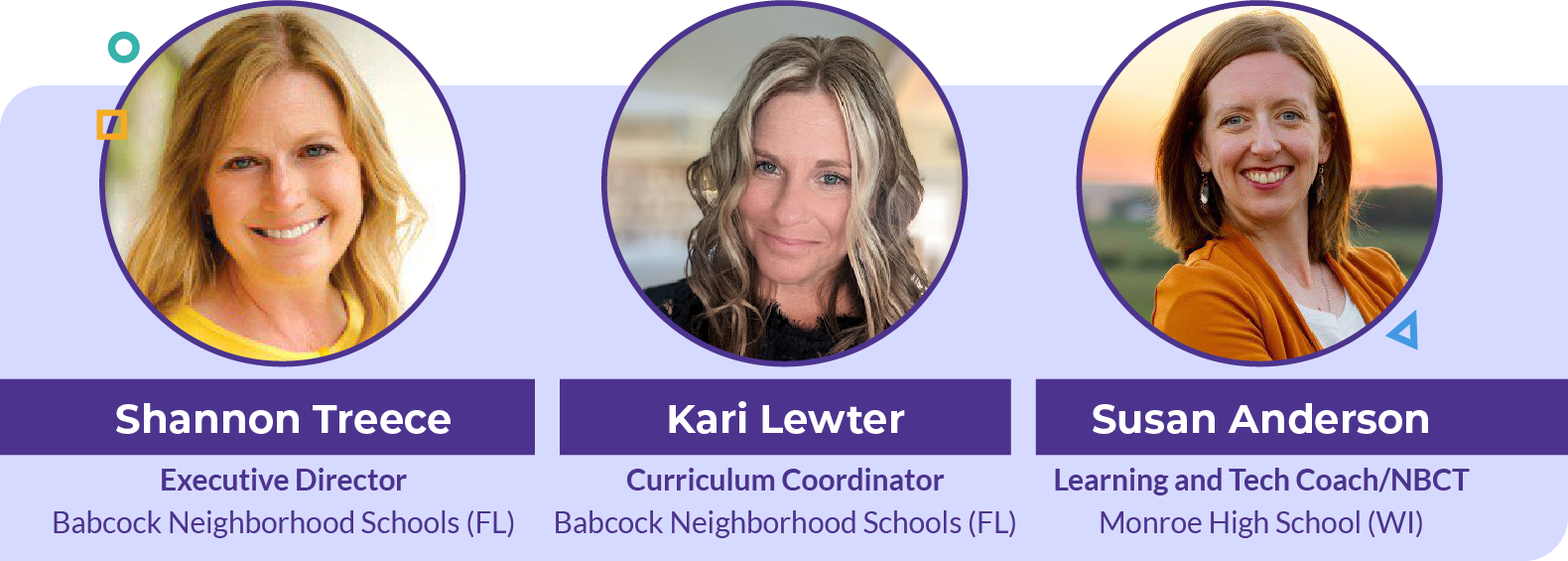
Susan Anderson
Learning and Tech Coach/NBCT
,
Monroe High School (WI)
Consistency comes from calibration using real student work and real assessments
If two teachers are using the same standards but defining proficiency differently, students will get mixed messages fast. The most effective reset is a calibration cycle inside PLCs: put current rubrics, student samples, and upcoming assessments on the table; score together; and require everyone to justify scores using the same success criteria. Do this more than once a year. Quick calibration touchpoints throughout the year prevent drift and reduce conflict later.
“We've done some of this work in the past, specifically when it comes to scoring writing based on rubrics or when you've given a little more autonomy to the teacher to make those decisions on are they emerging, developing, mastering. And so in our PLCs, we did calibration sessions where you all would look at that work together, and you score it based on your proficiency scale together. And then we held some discussions as to, well, why did you score it that way and what on our rubric says or made you say that that's the score that you gave it.”
Kari Lewter
Curriculum Coordinator
,
Babcock Neighborhood Schools (FL)
Make collaboration possible by building time, tools, and source-of-truth documentation into the routine
SBG becomes sustainable when collaboration isn’t optional or squeezed in “when there’s time.” Leaders can protect momentum by baking PLC time into the schedule, using structured work sessions (think summer workshops) to build pacing guides, rubrics, and assessments, and maintaining a living playbook that new staff can learn from and returning staff can revisit. When teachers know where the decisions live, how evidence is defined, and how grades are determined, they spend less time debating the basics and more time responding to learning needs.
“It is exponentially important to provide a clear foundational understanding for when people come on board so that there is some common language, and that when we're referencing specific components or frustrations with SBG, that it's actually targeting what it's intended to target, and being able to work through that clarity. Sometimes that happens through PLCs. I think a lot of times it happens in those communities of practice.”
Shannon Treece
Executive Director
,
Babcock Neighborhood Schools (FL)
Related Resources
Request a demo!
See exactly how Otus can help your school accelerate student growth and improve student outcomes – all while saving educators time.